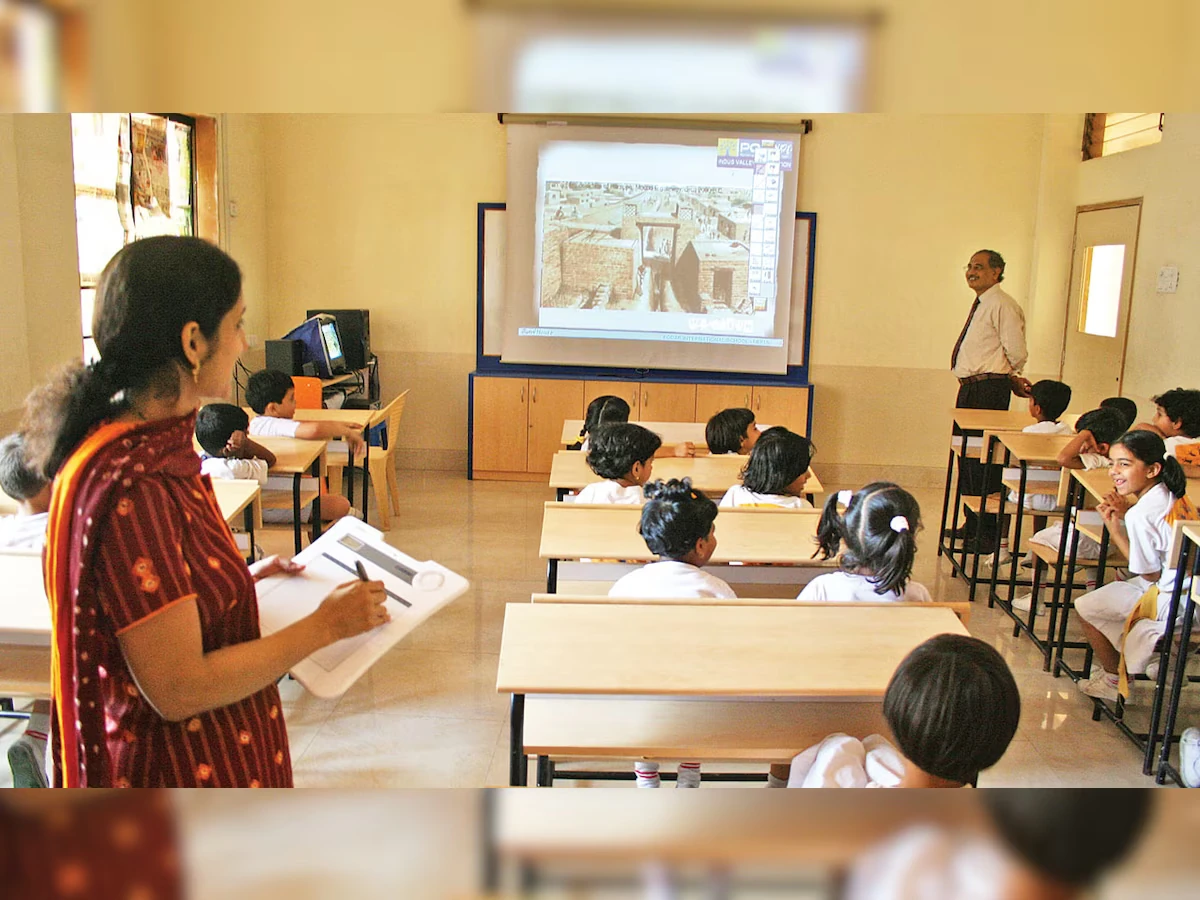


Charting the Future: Implementing ICT in schools

by LORENZ BARMAN
In the pulsating heart of India’s educational landscape, a transformation is underway—one that holds the promise of shaping a generation prepared for the challenges of the digital age. As the world becomes increasingly interconnected, the implementation of Information and Communication Technology (ICT) in Indian high school education emerges as not just a necessity but a catalyst for innovation, empowerment, and global competitiveness.
The first step in integrating ICT into high school education involves bridging the digital divide. Despite significant progress, disparities in access to technology persist across different regions of India. To ensure equitable opportunities for all students, policymakers and educators must prioritize infrastructure development, providing schools with reliable internet connectivity, updated hardware, and access to digital resources. Initiatives like Digital India are laying the groundwork, but a concerted effort is needed to ensure that every high school, whether in urban metropolises or rural hinterlands, is equipped to embrace the digital revolution.
Beyond hardware, investing in the professional development of teachers is crucial. Empowering educators with the skills to navigate and integrate technology into their teaching methodologies is paramount. Workshops, training programs, and continuous support can help teachers become adept at leveraging ICT tools to enhance the learning experience. The goal is not just to replace traditional teaching methods but to enrich them, creating a dynamic educational environment that caters to diverse learning styles.
The curriculum itself must undergo a digital makeover. High school education in India traditionally follows a rigid structure, but incorporating ICT enables a more dynamic, interactive, and engaging approach to learning. Subjects like mathematics and science can come alive through simulations and virtual experiments, fostering a deeper understanding of complex concepts. Interactive e-books, multimedia presentations, and educational games can transform the way students engage with information, making learning an immersive and enjoyable experience.
Collaboration is a key facet of the digital revolution in high school education. Online platforms and communication tools enable students to connect with peers from different parts of the country, fostering a sense of community and expanding their perspectives. Collaborative projects, virtual debates, and joint initiatives can enhance not only academic knowledge but also interpersonal skills crucial for success in the globalized workforce.
Assessment methods also stand to benefit from ICT implementation. Traditional exams can be supplemented with digital assessments, providing a more comprehensive evaluation of students’ skills and competencies. Adaptive learning platforms can personalize assessment strategies, catering to individual learning paces and identifying areas for improvement. This shift from a one-size-fits-all approach to a more personalized and nuanced evaluation system ensures that no student is left behind.
Furthermore, the role of ICT in high school education extends beyond academics. In a rapidly evolving job market, digital literacy is non-negotiable. High schools must offer courses that focus on developing skills such as coding, data analysis, and digital communication. Exposure to industry-relevant tools and technologies ensures that students graduate not just with theoretical knowledge but with practical skills that make them employable in the ever-changing job landscape.
However, the successful implementation of ICT in high school education necessitates a holistic approach, encompassing collaboration between government bodies, educational institutions, and technology providers. Stakeholders must work hand-in-hand to create a conducive environment that fosters innovation, addresses infrastructure challenges, and ensures that the benefits of ICT are accessible to every student, regardless of their socio-economic background.
In conclusion, the journey towards implementing ICT in Indian high school education is a transformative endeavor that holds the potential to redefine the future. By embracing technology as an enabler of progress, India can equip its youth with the skills, knowledge, and adaptability required to navigate the complexities of the digital age. The integration of ICT is not just an educational evolution; it is a visionary step towards empowering a generation that will shape the destiny of the nation on the global stage.
Copyright @ 2024 LORENZ BARMAN