

Ethereal Threads: Embracing Sustainable Elegance with Traditional Indian Attire
by LORENZ BARMAN
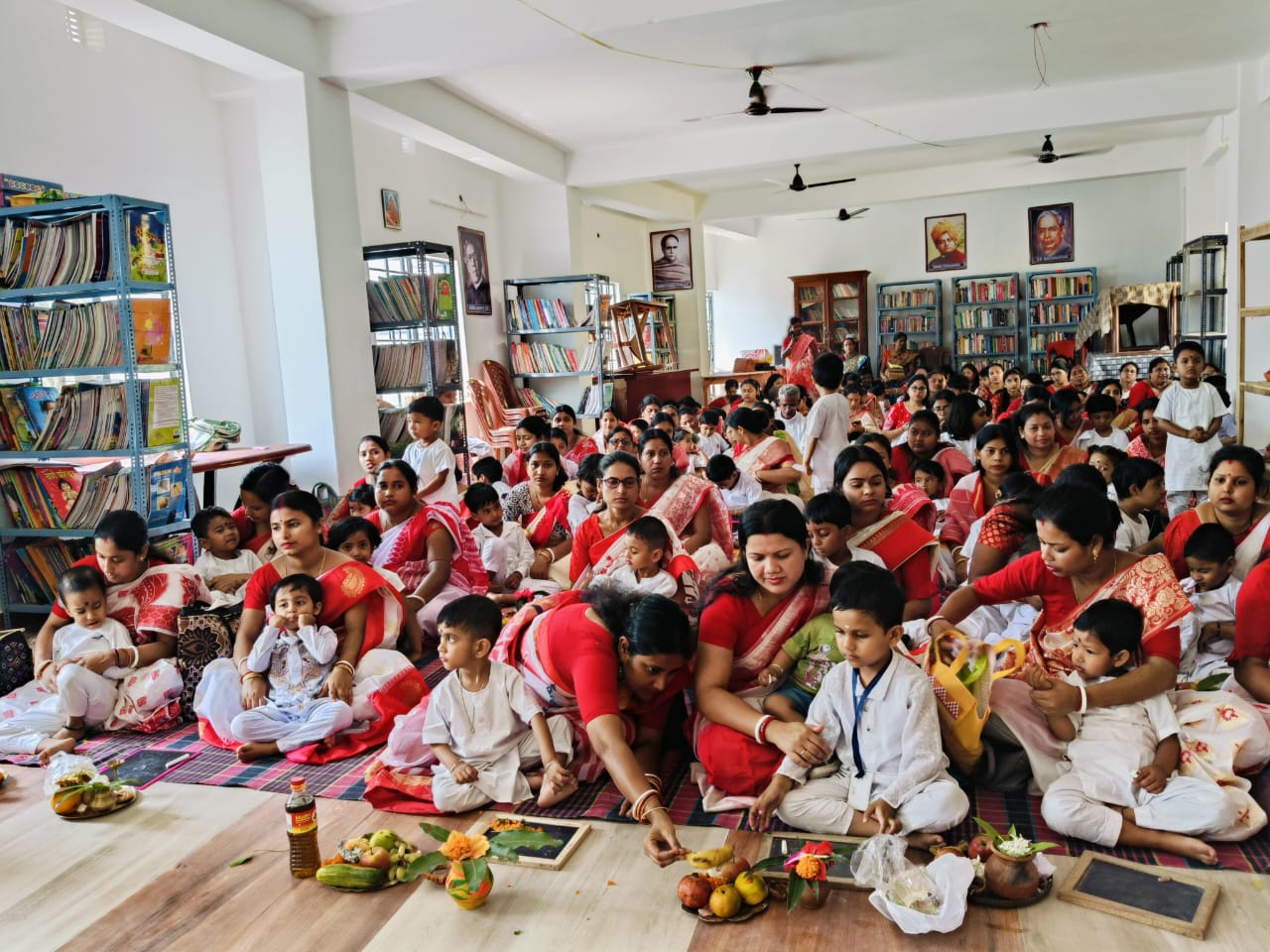
In the kaleidoscope of global fashion trends, where fast fashion often leaves an indelible ecological footprint, a timeless and environmentally logical choice emerges from the vibrant tapestry of India—the graceful and culturally rich garments of salwar kameez and sari for women and kurta pajama for men. These traditional ensembles not only celebrate the heritage of Indian culture but also stand as sustainable alternatives, embodying a harmonious relationship with the environment and promoting a conscious approach to fashion.
The classic salwar kameez and sari have adorned Indian women for centuries, evolving with changing times while retaining their inherent elegance. Crafted from natural fabrics like cotton, silk, and khadi, these garments showcase a commitment to sustainable materials. The use of organic fibers minimizes the environmental impact of production, steering clear of the synthetic materials synonymous with fast fashion that contribute to pollution and resource depletion.
Moreover, the versatility of the salwar kameez and sari extends their lifespan, challenging the transient nature of fast fashion. These garments effortlessly transition from casual to formal wear, from day to evening, allowing for a timeless elegance that defies the fickleness of fleeting trends. By investing in pieces that stand the test of time, individuals not only contribute to a more sustainable fashion industry but also embrace a sense of connection with their cultural roots.
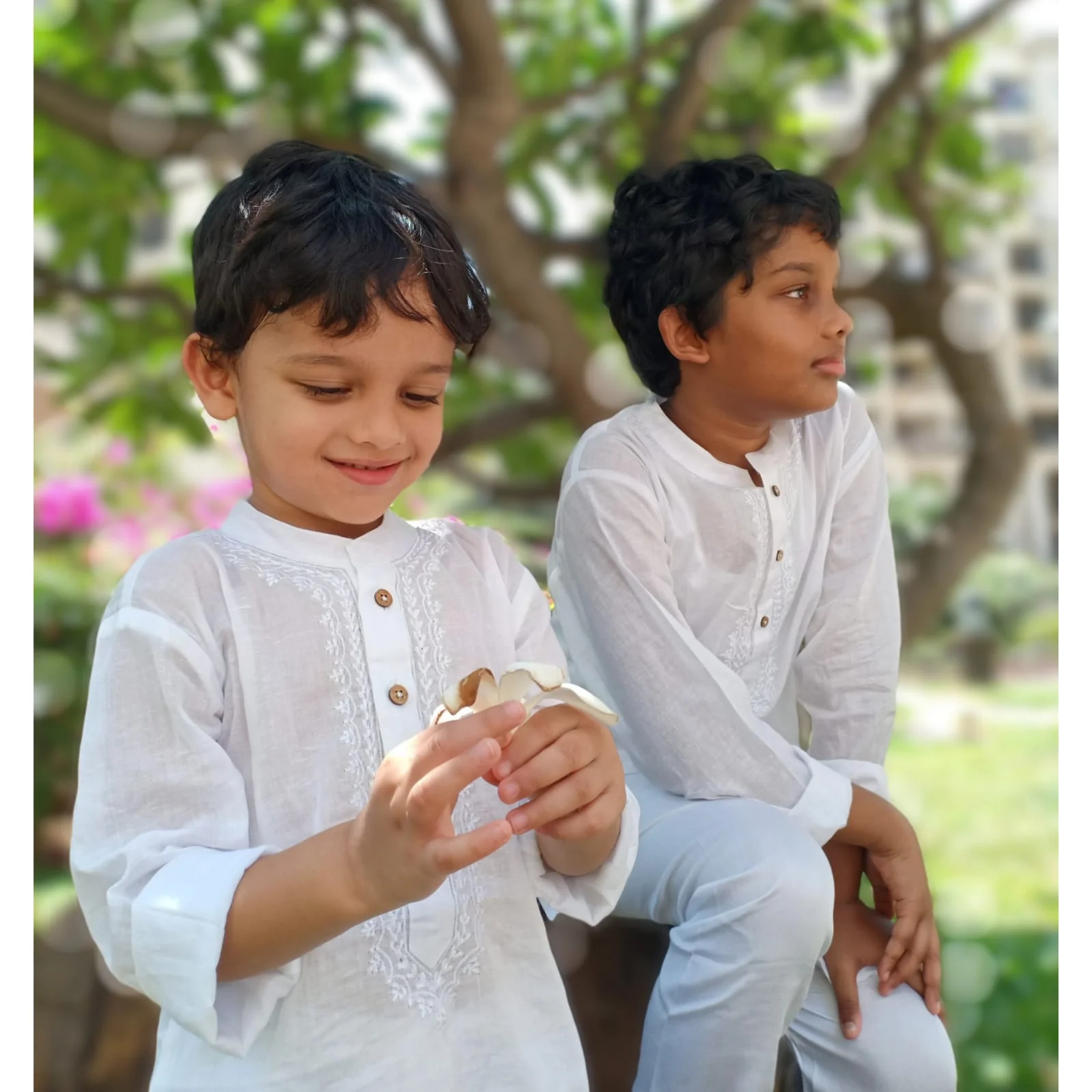
For men, the kurta pajama is a symbol of traditional masculinity and sophistication. Crafted from natural fibers like cotton or silk, the kurta pajama embodies a commitment to sustainable materials. The loose-fitting, comfortable design not only ensures ease of movement but also stands as a testament to the timeless appeal of traditional Indian attire.
The environmental benefits of choosing traditional Indian attire extend beyond material choices. The intricate craftsmanship and attention to detail inherent in the creation of salwar kameez, sari, and kurta pajama promote the concept of slow fashion. In contrast to the mass-produced, disposable garments of fast fashion, traditional Indian attire is a celebration of artisanal skills, with each piece telling a story of cultural heritage and craftsmanship.
Furthermore, the emphasis on handloom and handcrafted textiles in traditional Indian attire supports local artisans and sustains age-old weaving traditions. By opting for garments that prioritize handcrafted techniques over mechanized production, individuals contribute to the preservation of traditional skills and rural livelihoods, fostering a sense of social responsibility within the fashion industry.
The salwar kameez, sari, and kurta pajama also align with the principles of a circular fashion economy. These garments, often passed down through generations, exemplify the cyclical nature of sustainable fashion. The inherent durability and timeless appeal ensure that these pieces have a lasting impact, reducing the demand for constant production and consumption.
In conclusion, traditional Indian attire stands as a beacon of sustainable fashion in a world often dominated by fast-paced trends and disposable garments. The salwar kameez, sari, and kurta pajama not only celebrate the cultural heritage of India but also offer an environmentally logical choice for those seeking elegance with a conscience. As individuals embrace the ethereal threads of traditional Indian clothing, they weave a narrative of sustainability, resilience, and a timeless connection to the roots of Indian culture—a choice that transcends fashion trends and contributes to a more sustainable, harmonious future.
Copyright @ 2024 LORENZ BARMAN