

Kho-Kho: The Spirited Chase Through Time
by LORENZ BARMAN
In the vibrant tapestry of Indian sports, where traditions meld with athleticism, one game stands out as a testament to agility, strategy, and camaraderie—Kho-Kho. Rooted in the rich history of Indian culture, Kho-Kho has evolved from a rural pastime into a spirited sport that encapsulates the essence of teamwork, swift maneuvering, and strategic thinking. As we embark on a journey through the history and significance of Kho-Kho, we unravel the threads that weave this dynamic game into the cultural fabric of India.
The origins of Kho-Kho can be traced back to ancient India, where it is believed to have been played in various forms for centuries. While the exact timeline remains elusive, historical references suggest that Kho-Kho was a popular pastime in rural communities, serving not only as a source of recreation but also as a means to enhance physical fitness and agility.
The game’s nomenclature itself carries a hint of its roots. “Kho-Kho” is derived from the Marathi word “khokho,” which means to chase. This chase becomes the heartbeat of the game—a pursuit that transcends the physical act of running and tagging, embodying the spirit of perseverance and strategy.
Kho-Kho gained prominence in the early 20th century as efforts were made to formalize and structure the game. The first organized Kho-Kho competition took place in 1914 in Vijayawada, Andhra Pradesh, marking a significant step in the evolution of the game from a rural tradition to a recognized sport. Since then, Kho-Kho has steadily grown in popularity, becoming an integral part of school and college sports competitions across the country.
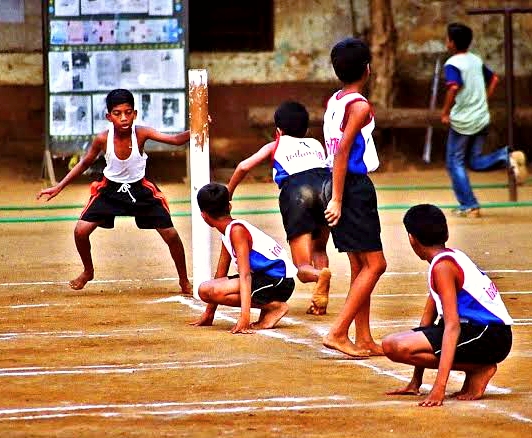
The game’s simplicity is one of its defining features, making it accessible to players of all ages and backgrounds. Kho-Kho requires minimal equipment—just a rectangular playing area and two poles for each team. The rules are straightforward: one team, the “chasers,” attempts to tag members of the opposing team, while the “defenders” strive to avoid being tagged. The game unfolds in a dynamic rhythm of sprinting, dodging, and strategic teamwork.
One of the unique aspects of Kho-Kho is its emphasis on strategic thinking and agility. Players must be not only swift runners but also astute tacticians, employing quick decision-making and teamwork to outmaneuver their opponents. This combination of physical prowess and mental acuity distinguishes Kho-Kho, contributing to its enduring popularity in schools, colleges, and regional sports events.
Kho-Kho has also made its mark on the international stage. India actively participates in international Kho-Kho competitions, showcasing the country’s sporting prowess and preserving the cultural heritage of the game. The sport’s inclusivity and accessibility have contributed to its global appeal, with enthusiasts worldwide recognizing and embracing the spirited chase that defines Kho-Kho.
Beyond its physical and competitive aspects, Kho-Kho embodies values of sportsmanship, teamwork, and mutual respect. The game fosters a sense of camaraderie among players, promoting a healthy spirit of competition and the joy of shared achievement. As India continues to celebrate its sporting traditions, Kho-Kho remains an enduring symbol of grassroots athleticism and cultural pride.
In conclusion, Kho-Kho is more than a game; it is a dynamic expression of India’s cultural heritage, a testament to the resilience and agility inherent in its people. From its humble origins in rural pastimes to its present-day prominence in schools, colleges, and international competitions, Kho-Kho exemplifies the indomitable spirit that defines Indian sports—a spirited chase through time that continues to capture hearts and minds, weaving itself into the diverse tapestry of India’s sporting legacy.
Copyright @ 2024 LORENZ BARMAN