

Reviving Vedic Wisdom: A Pathway to Optimum Social Benefits in Indian Education

by LORENZ BARMAN
In the rich tapestry of India’s cultural heritage, the Vedic system of education stands as a beacon of wisdom—an ancient paradigm that, when revitalized, holds the potential to usher in a transformative era of optimum social benefits. Rooted in the principles of holistic learning, spiritual insight, and community harmony, the revival of the Vedic system offers a promising path toward nurturing enlightened individuals and fostering a socially harmonious society.
The Vedic system, deeply embedded in the teachings of the Vedas and Upanishads, sought not only to impart knowledge but to cultivate a profound understanding of life, ethics, and spirituality. By embracing the revival of this ancient educational model, India has the opportunity to create a generation of individuals who not only excel academically but also embody the timeless values that form the bedrock of a socially conscious society.
One of the fundamental pillars of the Vedic system is its emphasis on holistic education. Beyond conventional subjects, students engaged in a comprehensive curriculum that encompassed arts, sciences, philosophy, and ethical teachings. The revival of this approach encourages a well-rounded development of individuals, nurturing their intellectual, emotional, and spiritual dimensions. In a world often marked by specialized knowledge, the Vedic system advocates for an interconnected understanding of various facets of life, fostering a sense of unity and shared purpose.
Spiritual insight is another cornerstone of the Vedic system, intertwining knowledge with a deeper understanding of one’s self and the universe. By infusing spiritual teachings into education, individuals are encouraged to explore the profound questions of existence, morality, and purpose. This not only provides a foundation for personal growth but also fosters a sense of compassion, empathy, and interconnectedness—a paradigm shift that has the potential to address societal challenges at their roots.
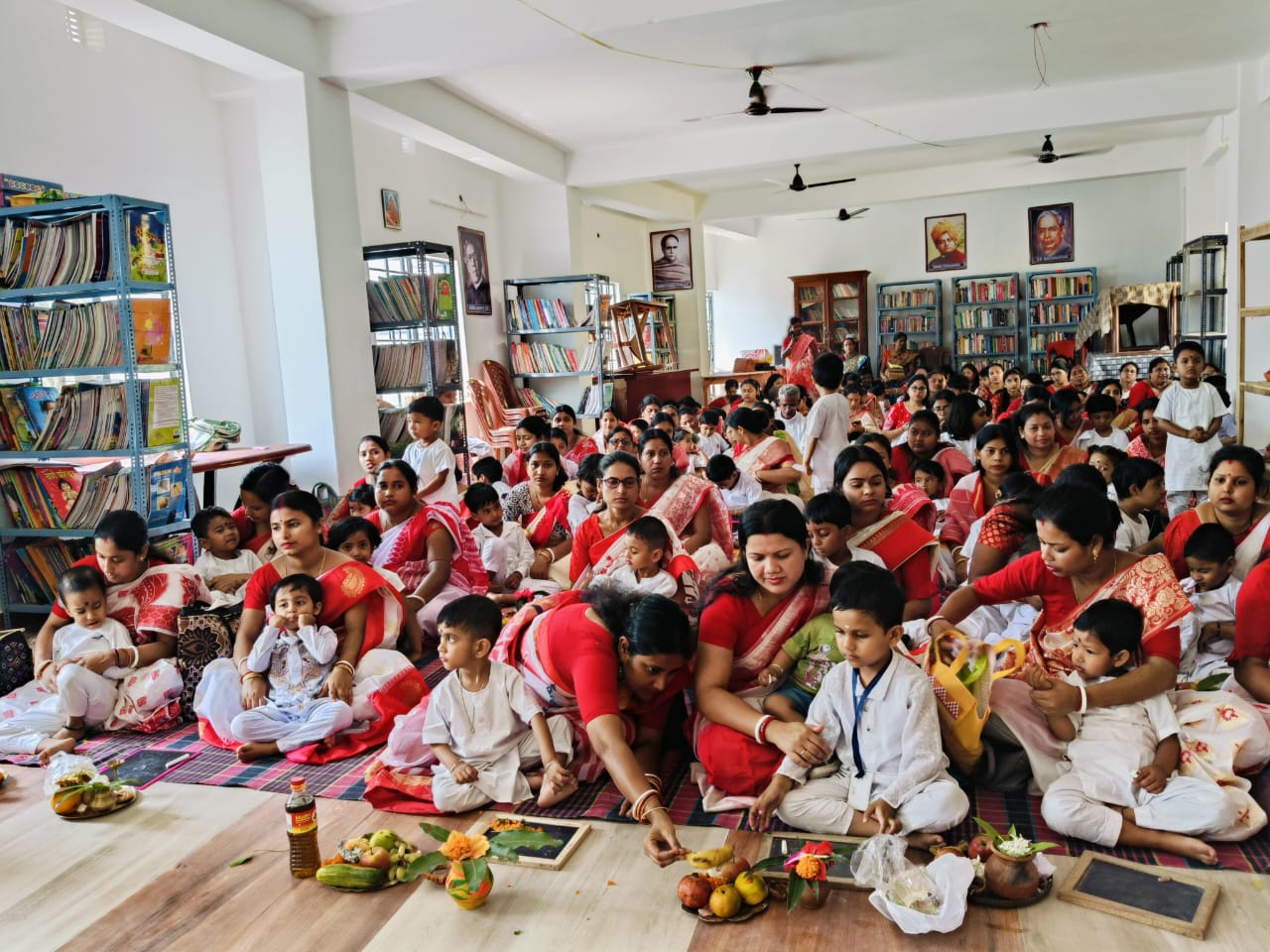
Community harmony is woven into the fabric of the Vedic system. The traditional Gurukul model, where students lived in close-knit communities under the guidance of a revered teacher, nurtured a sense of camaraderie, shared responsibility, and mutual respect. The revival of such a model holds the promise of cultivating individuals who are not only academically adept but also socially conscious and community-oriented. This sense of shared responsibility can become a catalyst for addressing contemporary issues, fostering a spirit of collaboration and collective well-being.
Furthermore, the Vedic system places a strong emphasis on experiential learning. Rather than relying solely on theoretical knowledge, students were encouraged to engage in practical applications, discussions, and debates. This hands-on approach cultivates critical thinking, problem-solving skills, and the ability to navigate real-world challenges—an essential foundation for individuals poised to contribute meaningfully to society.
As India looks toward the future, the revival of the Vedic system is not a nostalgic yearning for the past but a strategic vision for building a socially harmonious and intellectually vibrant society. The principles embedded in the Vedic system provide a holistic framework that resonates with the pressing needs of contemporary times, offering a roadmap to address not only academic excellence but also the ethical, spiritual, and social dimensions of human life.
In conclusion, the revival of the Vedic system of education in India presents a unique opportunity to shape a generation of individuals who embody wisdom, compassion, and a sense of shared responsibility. By embracing the holistic approach, spiritual insights, and community-oriented values inherent in the Vedic system, India can lay the foundation for a socially conscious and harmonious society—one that leverages the ancient wisdom of the Vedas to address the complexities of the modern world, ensuring optimum social benefits for generations to come.
Copyright @ 2024 LORENZ BARMAN