

Coding Chronicles: Unleashing the Power of Python and C++ in schools
by LORENZ BARMAN
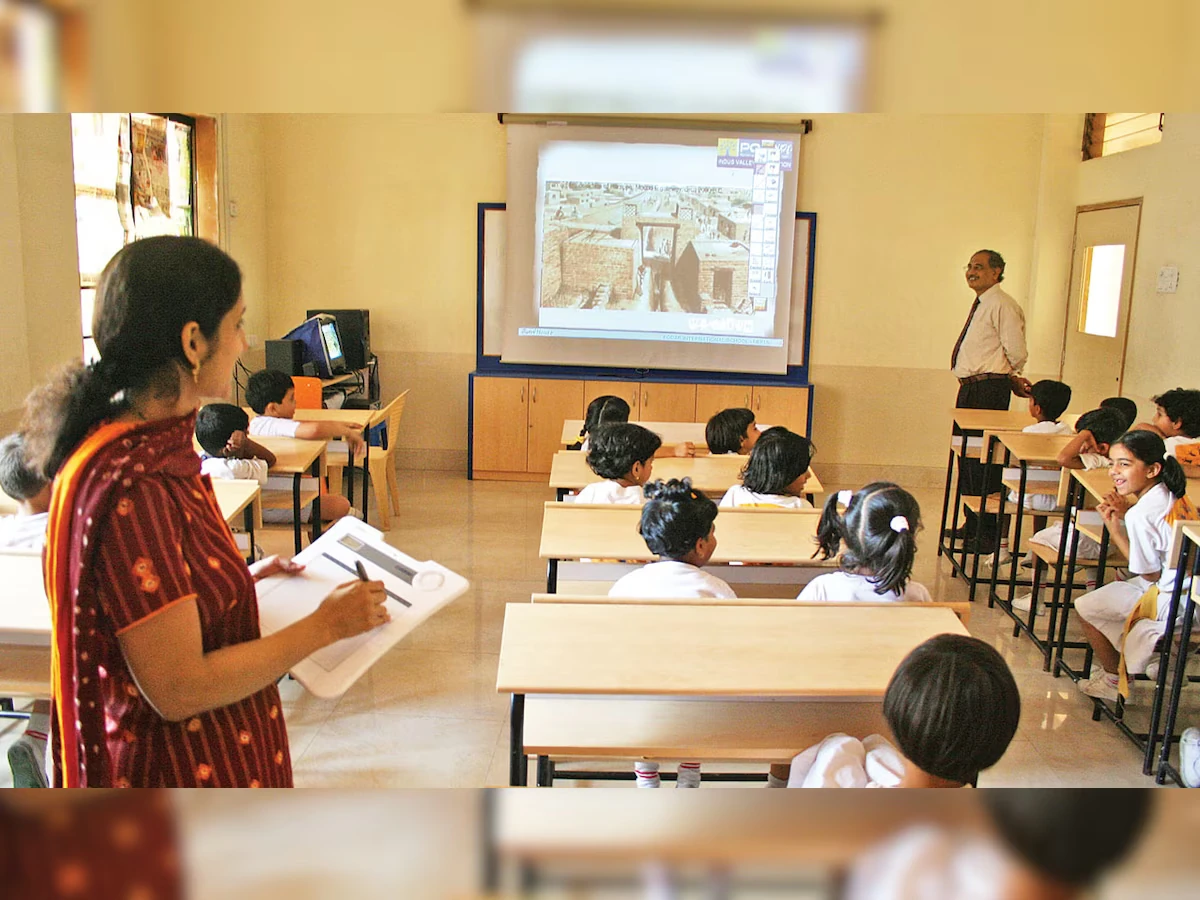
In the bustling classrooms of high schools across India, a new language is weaving its way into the academic fabric—an intricate code that holds the key to unlocking a world of possibilities. The inclusion of programming languages like Python and C++ in high school curricula is not merely an academic choice; it is a visionary step towards equipping the youth with the digital tools that will define the future.
At first glance, the world of coding might seem like an enigma, reserved for the tech-savvy elite. However, the reality is that learning programming languages like Python and C++ opens a gateway to a realm of skills that extend far beyond the computer screen. These languages are not just strings of code; they are conduits for creativity, problem-solving, and logical thinking.
Python, known for its simplicity and readability, is often considered an ideal language for beginners. Its syntax closely resembles human language, making it accessible to high school students with no prior coding experience. As students embark on their coding journey with Python, they are not just learning a language; they are acquiring a powerful tool for computational thinking. The ability to break down complex problems into smaller, manageable tasks and systematically solve them becomes second nature—a skill applicable not only in programming but in various facets of life.
C++, a more advanced and versatile language, delves deeper into the intricacies of programming. High school students delving into C++ are exposed to concepts such as object-oriented programming, data structures, and algorithms. While the learning curve may be steeper, the benefits are profound. C++ instills a robust understanding of programming principles, laying the groundwork for more intricate software development and problem-solving.
The relevance of learning Python and C++ in the context of India’s education system extends beyond the coding realm. As the world increasingly embraces automation and artificial intelligence, a fundamental understanding of programming languages becomes a valuable asset. High school students equipped with coding skills are better positioned to navigate a future where technology is not just a tool but an integral part of everyday life.
Moreover, the integration of coding in high school education aligns with the government’s vision of a ‘Digital India.’ As the nation strides towards technological innovation, a workforce well-versed in coding becomes the backbone of this digital transformation. By introducing Python and C++ in high schools, India is sowing the seeds for a generation that will lead the charge in innovation, contributing to the nation’s technological prowess on the global stage.
Coding is not just about typing lines of text; it is about fostering a mindset of curiosity, resilience, and continuous learning. High school students learning Python or C++ are not just becoming programmers; they are becoming problem solvers and innovators. The ability to envision a solution, translate it into code, and witness the tangible results provides students with a sense of empowerment, instilling confidence in their ability to navigate the complexities of the modern world.
Furthermore, coding encourages collaborative learning and creativity. Students working on coding projects collaborate, brainstorm, and iterate, mirroring the collaborative nature of the tech industry. This fosters a sense of teamwork, communication skills, and the ability to work towards a common goal—a crucial aspect of success in the interconnected and collaborative world of technology.
As India embraces the era of the Fourth Industrial Revolution, learning Python and C++ in high schools is not just a curriculum enhancement; it is an investment in the future. The benefits extend beyond the boundaries of the classroom, empowering students to become architects of change, creators of technology, and contributors to India’s digital revolution. The coding chronicles unfolding in high schools today are not merely about programming languages; they are about shaping a generation that will script the digital destiny of India.
Copyright @ 2024 LORENZ BARMAN