

Grapplers of Glory: The Enduring Legacy and Importance of Indian Style Wrestling
by LORENZ BARMAN
In the cacophony of cheers, sweat, and the rhythmic thuds of bodies colliding on the wrestling mat, a timeless tradition unfolds—the art of Indian style wrestling. Embedded in the cultural fabric of the nation, this ancient sport transcends mere physical combat; it is a living legacy that echoes through history, embodying resilience, discipline, and the indomitable spirit of Indian sportsmanship.
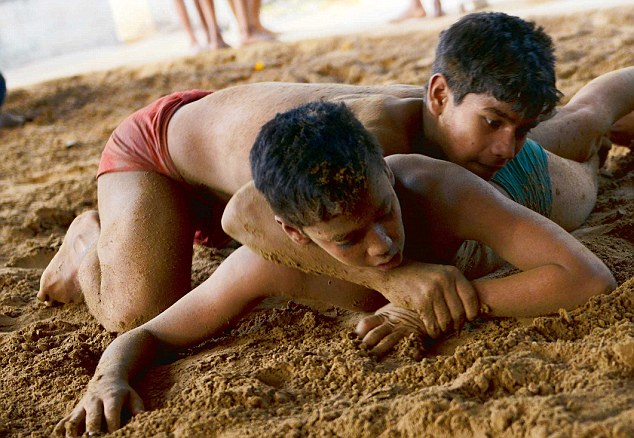
The roots of Indian style wrestling, or ‘kushti,’ delve deep into the annals of history, finding mentions in ancient scriptures like the Mahabharata. Over the centuries, this grappling art evolved into a cultural phenomenon, becoming an integral part of village life and festivals. Kushti is not just a sport; it is a way of life, a tradition passed down through generations, where the akhada (wrestling pit) becomes a sacred space for physical and spiritual growth.
The significance of Indian style wrestling lies not only in its historic roots but also in the values it instills in its practitioners. Wrestlers, or ‘pehelwans,’ undergo rigorous training that encompasses physical conditioning, disciplined lifestyles, and adherence to a code of conduct. The akhada becomes a crucible for character development, where humility, perseverance, and respect for opponents are as crucial as the physical prowess displayed on the mat.
The sport has produced legendary figures who have etched their names into the annals of Indian sports history. From the iconic Dara Singh to the contemporary champions like Sushil Kumar and Bajrang Punia, Indian style wrestling has consistently produced athletes whose feats resonate beyond the akhadas, capturing the hearts of millions and inspiring future generations.
The resilience of Indian style wrestling lies in its ability to adapt to the changing times while preserving its core ethos. The introduction of modern training techniques, nutritional guidance, and scientific coaching methodologies has enhanced the performance of Indian wrestlers on the global stage. As a result, India has witnessed a resurgence in wrestling prowess, with athletes competing and excelling in prestigious international events like the Olympic Games and World Championships.
The legacy of Indian style wrestling is not confined to its competitive achievements. It serves as a beacon for rural empowerment, providing a pathway for talent from remote corners of the country to showcase their skills and rise to national and international prominence. Wrestling academies and training centers have sprouted across the nation, nurturing the dreams of aspiring pehelwans and ensuring the perpetuation of this timeless tradition.
The sport’s importance also extends to its role in promoting a culture of fitness and well-being. Indian style wrestling demands a unique combination of strength, agility, and mental fortitude. As the sport gains popularity, it catalyzes a broader movement toward embracing a healthier lifestyle and fostering a sense of discipline and self-control among the youth.
In the age of modern sports and entertainment, Indian style wrestling retains its distinct allure, transcending the realm of competition. The annual ‘Dangal’ events, where wrestlers participate in traditional matches, draw fervent crowds and exemplify the enduring appeal of kushti as both a sport and a cultural spectacle.
In conclusion, the legacy and importance of Indian style wrestling illuminate the resilience of tradition in the face of changing times. Beyond the physical duels on the mat, kushti embodies the cultural ethos of discipline, respect, and the pursuit of excellence. As Indian wrestlers continue to leave an indelible mark on the global stage, the heartbeat of this ancient sport resonates—a rhythmic pulse that echoes through the akhadas, reverberating across the nation and defining the spirit of Indian style wrestling.
Copyright @ 2024 LORENZ BARMAN