

Harnessing Breath: The Transformative Power of Pranayama for Indian High School Students
by LORENZ BARMAN
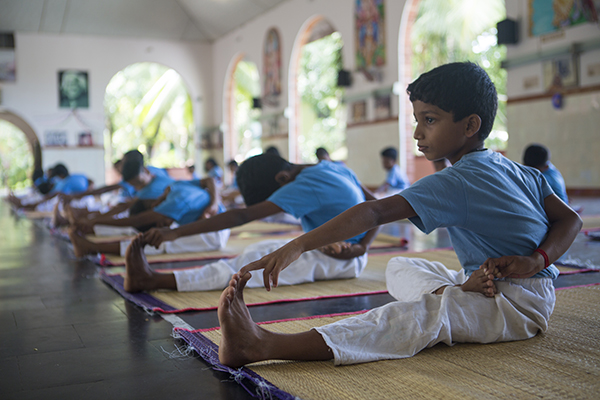
In the bustling corridors of Indian high schools, where the pursuit of knowledge intersects with the pressures of academic rigors, a quiet revolution is gaining momentum—one that transcends textbooks and examinations. The practice of Pranayama, an ancient yogic technique centered around breath control, is emerging as a powerful tool to equip high school students with a focused mind, resilience, and a harmonious approach to tackling the challenges of their studies.
Amidst the cacophony of academic expectations and societal pressures, high school students often find themselves grappling with stress and distractions. Enter Pranayama—the art of mindful breathing that dates back centuries in Indian tradition. By incorporating this practice into their daily routine, students are discovering a pathway to a calm and focused mind, essential for navigating the academic demands of their formative years.
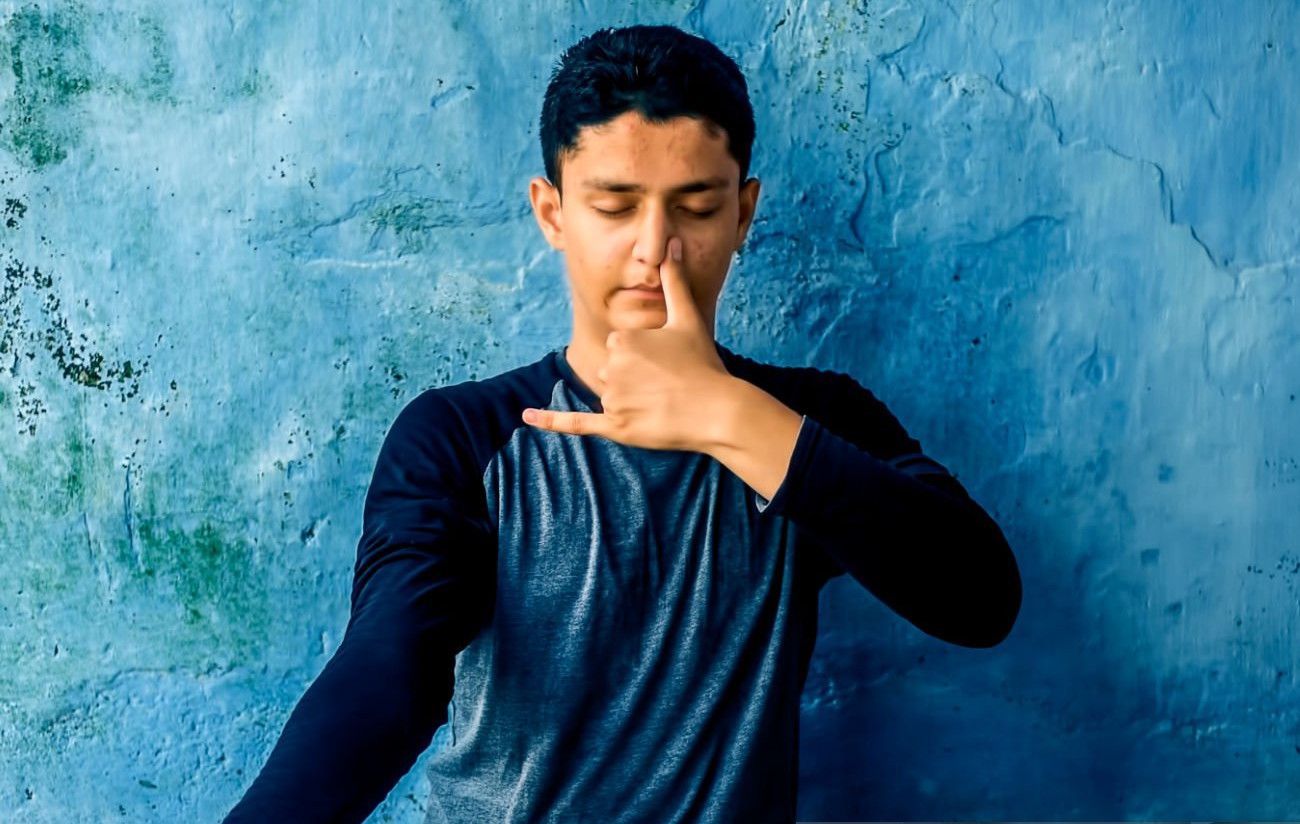
Pranayama encompasses various breathing exercises designed to channel and regulate the breath. One such technique is “Anulom Vilom,” where students alternate between nostrils, facilitating balance in the body’s energy channels. Another is “Bhramari,” commonly known as the humming bee breath, which helps soothe the mind and alleviate stress. These techniques, when practiced regularly, become invaluable tools in a student’s arsenal for maintaining mental clarity and concentration.
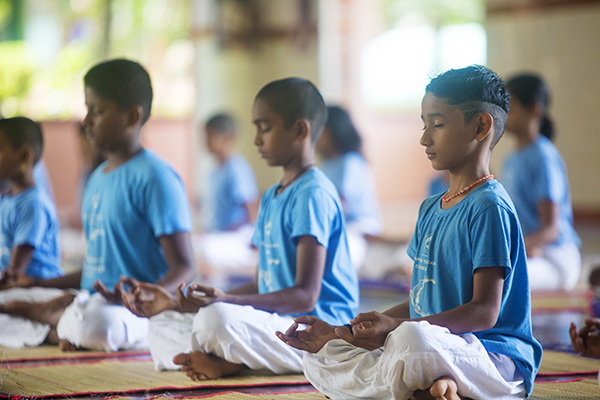
The frenetic pace of high school life often leads to heightened anxiety levels, impacting academic performance and overall well-being. Pranayama acts as a natural stress-buster, allowing students to unwind, release tension, and cultivate a serene mental space. The rhythmic inhales and exhales become a meditative practice, fostering a sense of mindfulness that extends beyond the yoga mat and into the classroom.
High school students, engrossed in the whirlwind of examinations and extracurricular activities, often grapple with sleep irregularities. Pranayama provides a remedy by incorporating practices such as “Nadi Shodhana” or alternate nostril breathing, which helps balance the nervous system, induce relaxation, and promote better sleep patterns. A well-rested mind is more receptive to learning, fostering an environment conducive to academic success.
Beyond the physiological benefits, the practice of Pranayama instills discipline and self-awareness. High school students engaging in these breathing exercises learn to observe their thoughts, emotions, and reactions without being overwhelmed by them. This self-awareness becomes a powerful tool in cultivating emotional resilience, essential for navigating the ups and downs of adolescence and academic challenges.
The introduction of Pranayama in high school curricula is not just about wellness; it aligns with India’s holistic approach to education. As the nation recognizes the importance of nurturing not only academic excellence but also the overall well-being of its students, Pranayama emerges as a natural and culturally rooted solution. By incorporating these practices into daily routines, high schools are contributing to the development of well-rounded individuals who are not only academically adept but also emotionally and mentally resilient.
As Pranayama finds its way into the lives of Indian high school students, it serves as a beacon of balance, offering a reprieve from the chaos of academic demands. The focused breath becomes a metaphor for focused minds—a steady rhythm that guides students through the ebb and flow of their educational journey. In a world that constantly demands more, Pranayama is a reminder that the key to success lies not just in the pursuit of knowledge but in the mastery of one’s own breath—a profound wisdom that has stood the test of time in the rich tapestry of Indian tradition.
Copyright @ 2024 LORENZ BARMAN