

Gurukul System: Nurturing Wisdom, Fostering Harmony

by LORENZ BARMAN
In the annals of educational history, a timeless beacon of learning emerges—the Gurukul system, an ancient Indian model of education that transcends the boundaries of time and stands as a testament to the holistic development of students. Rooted in the profound wisdom of ancient Indian culture, the Gurukul system offers a compelling vision of education as a harmonious journey encompassing not just academic knowledge but the holistic nurturing of mind, body, and spirit.
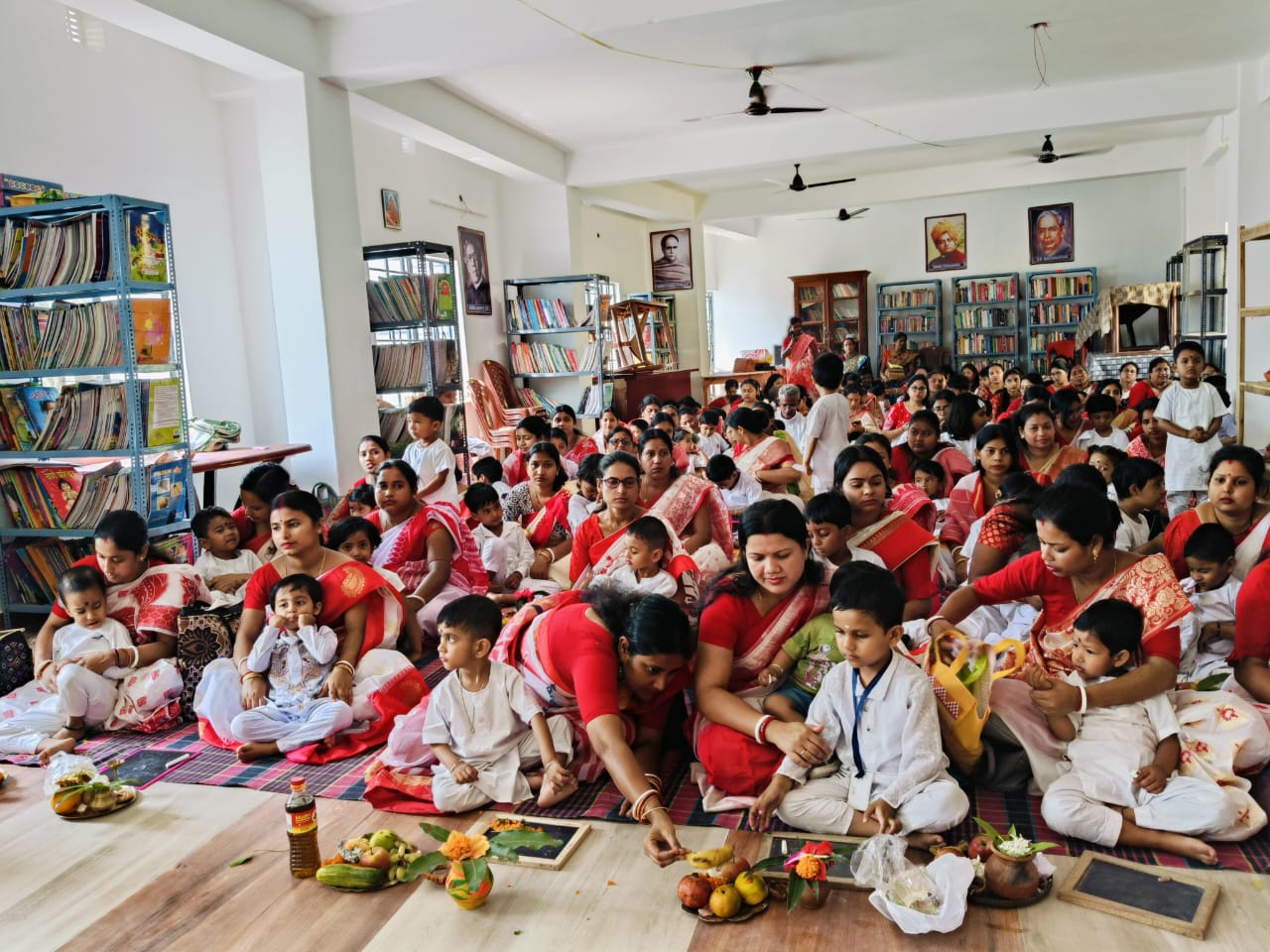
Originating from the Sanskrit words “Guru” (teacher) and “Kula” (family), the Gurukul system was an intimate, residential form of education where students lived with their teacher in a familial setting, imbibing not only academic lessons but life skills and values as well. This holistic approach to education fostered a sense of unity, humility, and reverence for knowledge that resonates through the corridors of time.
One of the core strengths of the Gurukul system lies in its personalized and experiential nature. In a small, close-knit environment, students had the opportunity to engage in direct, one-on-one interactions with their Gurus, receiving tailored guidance and mentorship. This personalized attention allowed for a deeper understanding of individual strengths, weaknesses, and learning styles, fostering a more nuanced and effective educational experience.
The curriculum of the Gurukul system extended beyond the confines of textbooks, encompassing a diverse array of subjects ranging from mathematics and sciences to philosophy, arts, and physical fitness. Students were not just receivers of knowledge but active participants in the learning process, engaging in discussions, debates, and practical applications of theoretical concepts. This interdisciplinary approach not only enriched their intellectual faculties but also nurtured a well-rounded perspective that extended to various facets of life.
The Gurukul system embraced a harmonious blend of academic, physical, and spiritual education. Students were encouraged to partake in physical activities, sports, and outdoor pursuits, recognizing the interconnectedness of a healthy body and a keen intellect. Additionally, the spiritual dimension of education involved imparting values, ethical principles, and a reverence for life—a holistic framework that aimed at shaping not just knowledgeable individuals but virtuous citizens.
The residential nature of the Gurukul system also played a crucial role in fostering a sense of community, brotherhood, and shared responsibility among students. Living together in a Gurukul created an environment of mutual support, where older students mentored younger ones, creating a dynamic of shared learning and collaboration that extended beyond the classroom. This communal spirit is often cited as a hallmark of the Gurukul system, contributing to the holistic development of students in a socially enriching milieu.
The Gurukul system was characterized by a symbiotic relationship between the Guru and the students, transcending the conventional teacher-student dynamic. Gurus not only imparted knowledge but served as mentors, guides, and moral compasses. The deep bond forged in the Gurukul became a lifelong connection, with students often maintaining a sense of gratitude, respect, and reverence for their Gurus even after leaving the educational sanctuary.
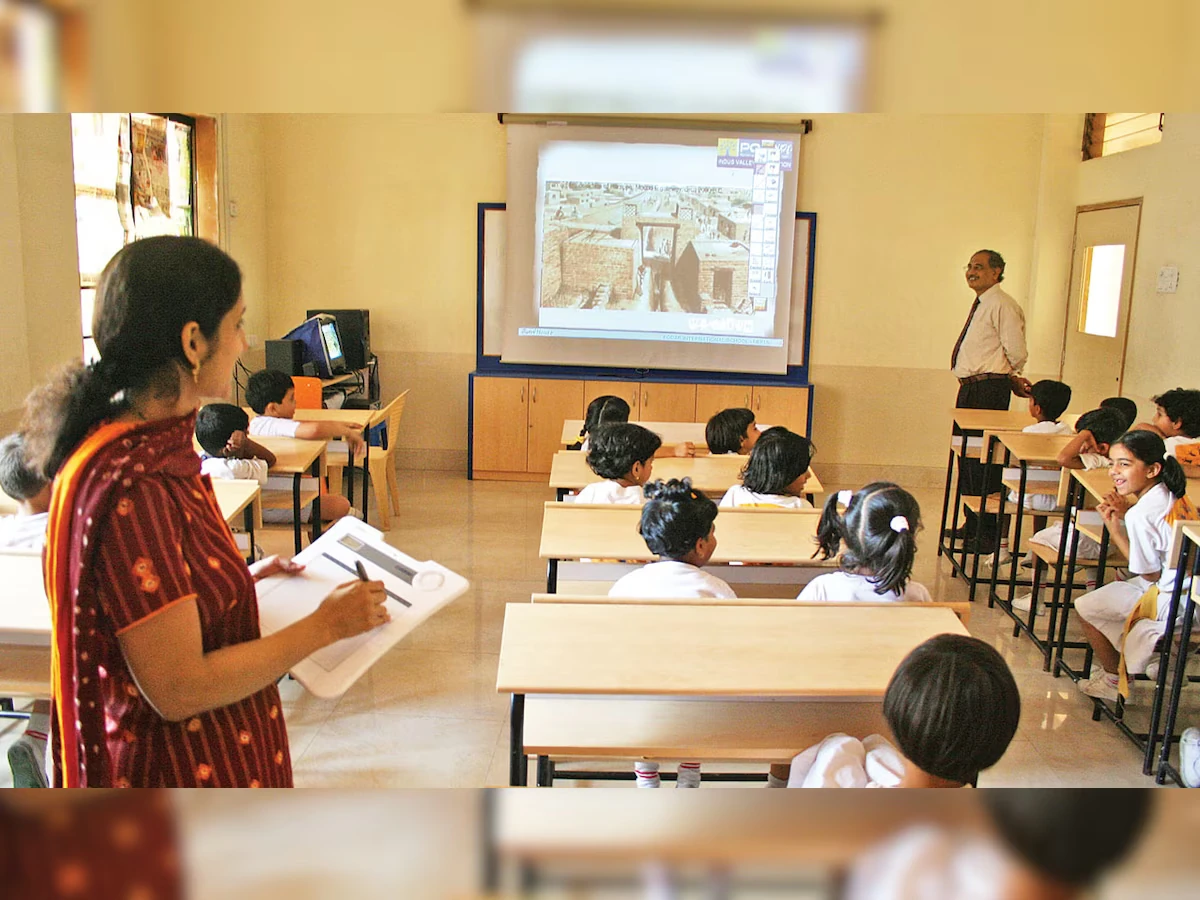
In a world marked by rapid advancements in technology and a growing emphasis on standardized education, the Gurukul system remains a timeless reminder of the value of a holistic, personalized approach to learning. As we navigate the complexities of modern education, the Gurukul system serves as an inspiration—an echo from the past beckoning us to embrace the wisdom of a model that cherishes the harmonious development of mind, body, and spirit—an educational philosophy that transcends time and continues to inspire the pursuit of wisdom and holistic well-being.
Copyright @ 2024 LORENZ BARMAN